Compare Local Contractors for Reliable Chair Repair Services
Compare local contractors to define the scope, verify experience, and set clear expectations for your chair repair project.
Chair repair services typically encompass a range of work aimed at restoring or enhancing the functionality and appearance of various types of chairs. This can include fixing broken or loose joints, replacing worn-out upholstery, repairing or replacing damaged frames, and addressing issues with moving parts such as mechanisms or hinges. Whether dealing with antique, office, or household chairs, these services are designed to ensure that the furniture remains safe, comfortable, and visually appealing. Understanding the scope of work involved helps property owners determine what repairs are needed and ensures that the service provider has the appropriate skills and tools to handle the specific issues.
Defining the scope of a chair repair project is a crucial step in working with service providers. Clear communication about the work needed helps to set realistic expectations and minimizes misunderstandings. Property owners should specify which parts of the chair require attention, whether the focus is on structural repairs, aesthetic improvements, or both. Outlining the desired outcomes and any specific preferences ensures that contractors understand the extent of the work and can provide accurate assessments. Documenting these details in writing can serve as a reference throughout the project, helping to keep the repair process on track and aligned with the owner’s needs.
When comparing local contractors for chair repair work, property owners should consider several factors beyond basic availability. It’s important to verify the experience and expertise of service providers, particularly with the type of chair and repair required. Reviewing previous work, seeking recommendations, or checking references can provide insights into a contractor’s reliability and skill level. Additionally, evaluating how contractors communicate-such as their ability to clarify scope, outline procedures, and document expectations-can help ensure a smooth process. Comparing these aspects allows property owners to select service providers capable of meeting their repair needs with professionalism and consistency.
Compare local contractors by outlining priorities, verifying experience, and setting clear expectations in writing.
- Compare Contractor Experience - Review the backgrounds and specialties of service providers to ensure they have relevant chair repair expertise.
- Define Scope Clearly - Outline specific repair needs to communicate expectations effectively with local contractors.
- Verify Service Provider Credentials - Confirm the qualifications and track record of local contractors before proceeding.
- Document Agreements in Writing - Establish a detailed scope of work and expectations to prevent misunderstandings.
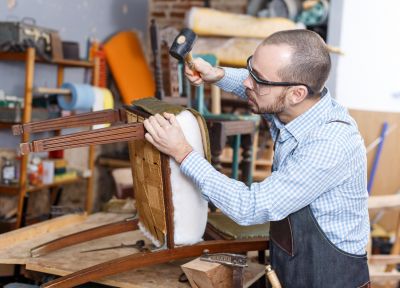
Clearly describe your chair repair project and compare local contractors based on experience, scope, and written expectations.
- Verify the contractor’s experience with chair repair to ensure they have relevant skills for the job. - Look for service providers who clearly define the scope of work and repair methods in writing.
- Compare multiple local contractors to assess their expertise and approach to chair restoration projects. - Ensure that the repair techniques used are appropriate for the chair’s material and style.
- Check references or reviews to gauge the quality of previous chair repair work performed by the contractor. - Confirm that the contractor can handle specific repair needs, such as upholstery, frame fixing, or joint reinforcement.
- Ensure the contractor provides a detailed written estimate outlining the work to be done and materials used. - Clarify the scope of work and set expectations before the repair begins.
- Discuss with the service provider their process for handling repairs and any potential challenges that may arise. - Establish clear communication about the repair procedures and what to expect during the process.
Compare local contractors, define project scope clearly, verify experience, and set expectations in writing.

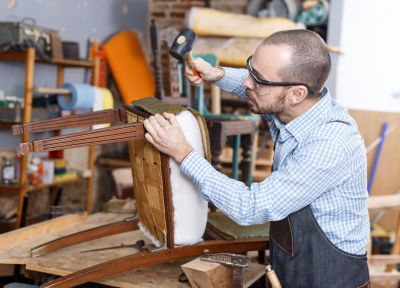


Use clear, consistent comparison criteria across local contractors by defining scope, verifying experience, and setting expectations in writing.
- Scope Definition - Clearly outline the specific repair tasks needed for the chair, including materials and techniques.
- Experience Verification - Confirm that the service providers have relevant experience with chair repairs similar to the required scope.
- Material and Repair Methods - Specify the types of materials and repair methods acceptable for the project.
- Work Quality Expectations - Define the standards for workmanship and finish to ensure consistent results.
- Written Agreement - Document all scope details, expectations, and responsibilities in a formal agreement with the service providers.
When evaluating contractors for chair repair services, it’s important to consider their experience with similar projects. Homeowners should inquire about the types of chairs they have repaired in the past and whether they have handled the specific materials and styles involved in the repair. Contractors with a history of working on comparable furniture are more likely to understand the nuances of different construction methods and materials, which can influence the quality and durability of the repair work.
A clear, written scope of work is essential when comparing local service providers. This document should outline the specific repairs to be performed, including details about materials, techniques, and any restoration or refinishing processes. Having a detailed scope helps ensure that both parties have aligned expectations and provides a reference point for evaluating the completeness of the work. Homeowners are encouraged to ask contractors to put their scope of work in writing before any commitments are made.
Verification of a contractor’s experience can be approached by requesting references or examples of previous chair repair projects. While formal credentials are not always available, a straightforward review of past work and client feedback can provide insight into a contractor’s expertise and reliability. Homeowners should consider how well the contractor’s previous projects align with their specific repair needs and whether the quality of work appears consistent across different jobs.
When comparing options, it’s helpful to assess how each service provider communicates and documents their process. A professional contractor will be transparent about their approach and willing to provide a detailed scope of work in writing. Homeowners should also evaluate the clarity and thoroughness of the information provided, ensuring that expectations are well-defined. This approach facilitates an informed decision-making process and helps establish a solid foundation for a successful chair repair project.
Ask contractors to provide written scope details to ensure clear expectations and consistent project understanding.
- Experience and Specialization - What specific experience do local contractors have with chair repair projects similar to yours?
- Scope of Work - How will the service provider define and document the scope of repairs needed for your chair?
- Materials and Techniques - What materials and repair methods do local contractors typically use, and how do they match your chair’s needs?
- Warranty and Guarantees - Do local service providers offer any written warranties or guarantees for their repair work?
- Communication and Clarification - How will the contractor ensure clear communication to set expectations about the repair process and scope?
What should I consider when choosing a contractor for chair repair? It's important to compare the experience and reputation of different service providers, review their scope of work, and ensure that expectations are clearly defined and documented in writing.
How can I verify a contractor’s experience with chair repairs? You can ask for references, review their portfolio of past work, or inquire about the types of chairs and repair techniques they are familiar with to assess their expertise.
What questions should I ask a contractor before hiring for chair repair? Inquire about their process for repairs, the materials they use, how they handle specific issues, and request a detailed scope of work to ensure clarity and alignment.
Why is it important to define the scope of work in writing? Having a written scope helps prevent misunderstandings, sets clear expectations, and provides a reference point should any disputes or questions arise during the repair process.
How can I compare different contractors effectively? Review their experience, scope of services, reviews or references, and ensure they provide detailed written estimates or plans to make an informed decision.
What role does communication play in working with a chair repair contractor? Clear and detailed communication helps ensure that the contractor understands your needs, the scope of work, and your expectations, leading to a smoother repair process.
This page has outlined key steps to help compare contractors for chair repair services, including defining the scope of work, verifying experience, and setting clear expectations in writing. By understanding these considerations, visitors can make more informed choices when selecting service providers who meet their specific needs. Using the quote form allows for easy comparison of local contractors, helping to identify options that align with individual project requirements.
Taking a moment to utilize the quote form can assist in connecting with local contractors capable of handling chair repair projects. It’s a practical way to gather information, compare services, and ensure the details of the job are clearly outlined before making a decision. This approach supports finding service providers who can deliver the right solutions for each unique repair need.